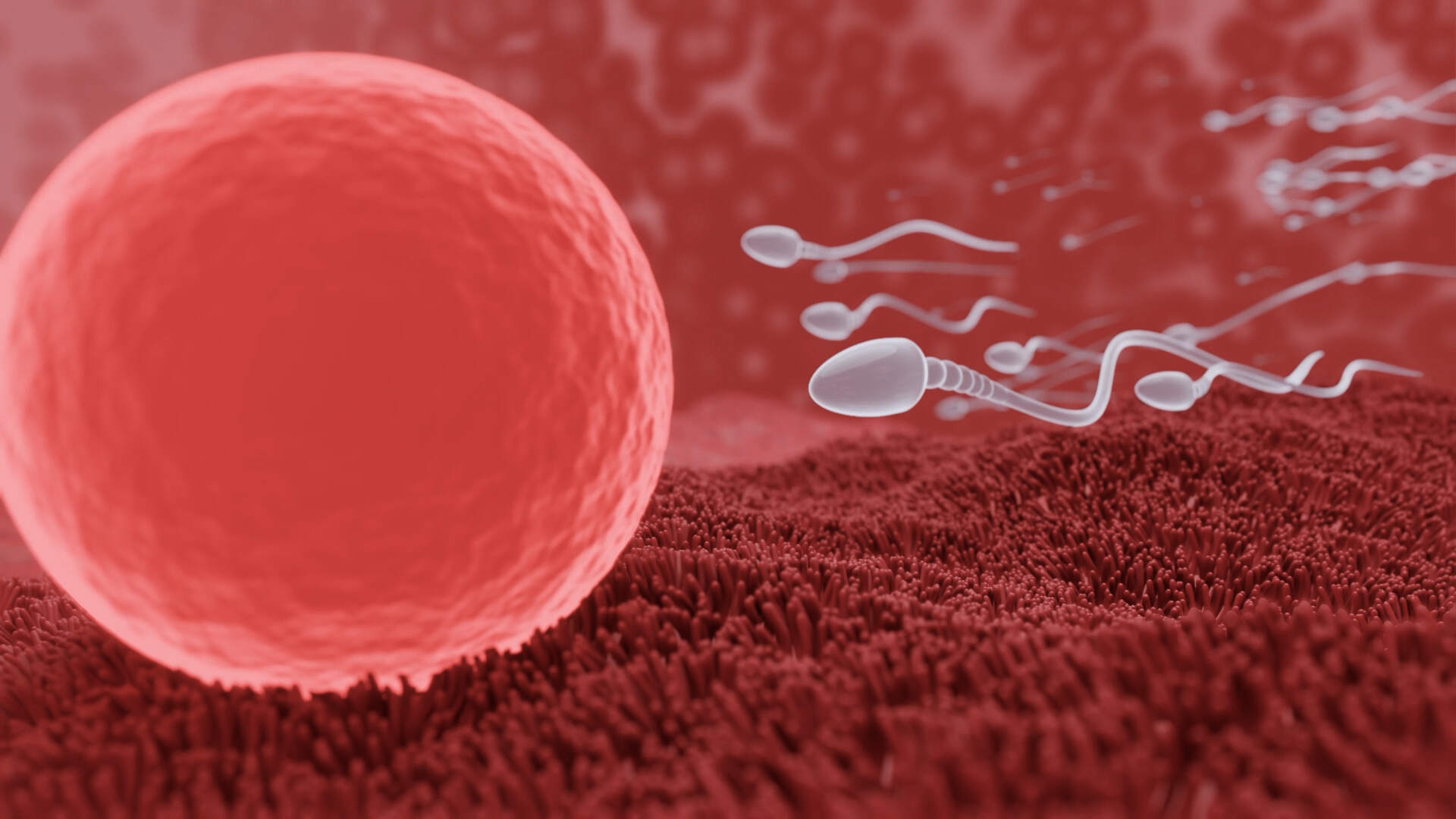
External and Internal Fertilisation
- 4 min
- Ages 10+
- 2025
For an animal species to survive, it must be able to reproduce, which often occurs through sexual fertilisation between sperm and eggs. In the animal kingdom, fertilisation is divided into external and internal fertilisation, depending on whether it takes place outside or inside the female's body. In this film, we will take a closer look at how this works. External fertilisation is common in aquatic animals and involves eggs and sperm meeting in the water, while internal fertilisation is most common in land animals and occurs inside the body, with the advantage of providing better protection for the eggs. Each method has its advantages and disadvantages, and affects how many eggs can be laid and how many offspring have a chance to survive to adulthood.
- Sex Cells
- Reproduction
- Fertilisation
- Gametes
- Egg cells
- Sperm
- External Fertilisation
- Internal Fertilisation